How Deep Cleaning Fits Into Periodontal Treatment Ventura
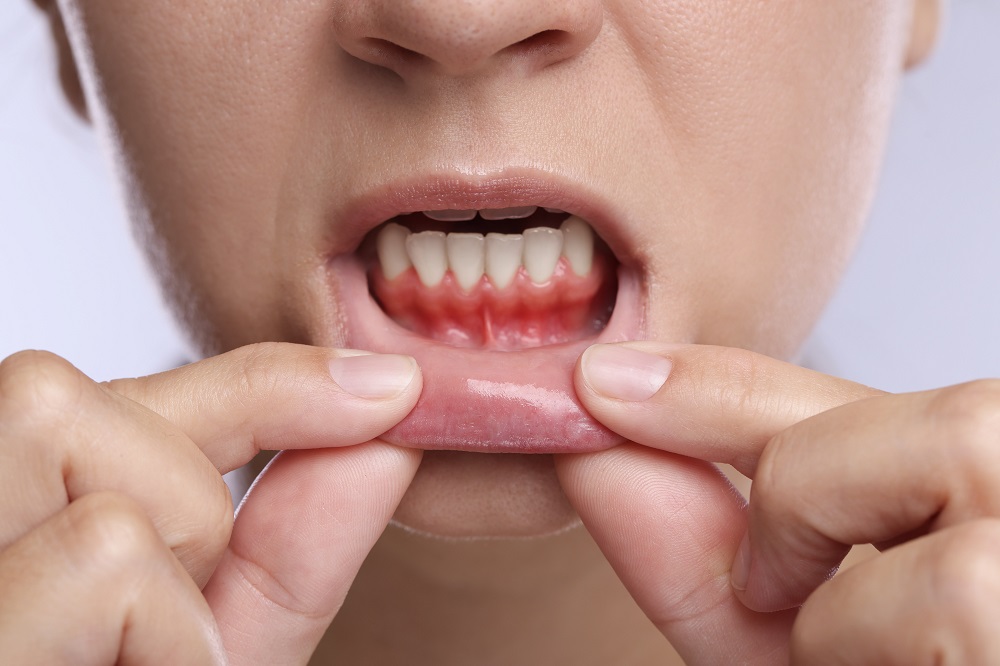
When people hear the phrase "deep cleaning," they often picture a more vigorous version of a routine dental cleaning. That description misses the point. In periodontal care, deep cleaning has a very specific role. It is a clinical treatment, not a cosmetic touch-up, and it often marks the point where gum disease shifts from being ignored to being managed seriously.
In practices that provide Periodontal Treatment Ventura patients rely on, deep cleaning is usually referred to as scaling and root planing. Those two terms matter because they describe what is actually happening under the gumline. The goal is not simply to polish the teeth. The goal is to remove the hardened deposits and bacterial buildup that are driving inflammation, bleeding, bone loss, and gum detachment.
That distinction changes expectations. A routine cleaning is for a mouth that is generally healthy or stable. A deep cleaning is for a mouth where the supporting tissues are under attack.
What deep cleaning is really treating
Periodontal disease begins quietly. A patient may notice bleeding when brushing, a little tenderness, or a bad taste that keeps returning. Sometimes there is no pain at all. Yet under the surface, plaque bacteria accumulate around the gumline, then harden into calculus. Once calculus forms below the gums, brushing and flossing cannot remove it. The tissue becomes chronically inflamed. The gums start to pull away from the teeth, creating pockets where more bacteria thrive.
Those pockets are the reason deep cleaning matters.
A healthy gum pocket is shallow, often around 1 to 3 millimeters. When the measurement creeps to 4 millimeters and beyond, especially with bleeding, bone loss, or heavy tartar deposits, the conversation changes. That is when a dentist or periodontist starts evaluating whether scaling and root planing is appropriate. The purpose is to clean the root surfaces thoroughly enough that the gums have a chance to reattach and inflammation can calm down.
Patients are often surprised to learn that gum disease is not mainly a "tooth problem." It is a support-system problem. Teeth can look fairly intact while the foundation around them weakens. Deep cleaning fits into periodontal treatment because it targets the disease process at the level where it is active, below the visible gumline.
Why a regular cleaning is not enough
This is one of the most common misunderstandings in a periodontal office. A patient comes in every six months, assumes they are doing what they are supposed to do, then hears they need something more involved. That can feel like a bait and switch if no one explains the difference well.
A prophylaxis, or routine cleaning, is designed to remove soft plaque, minor tartar, and surface stains from teeth in a healthy or stable mouth. It does not address infected periodontal pockets in a therapeutic way. It is maintenance, not active disease control.
Scaling and root planing is different because the clinician is working deliberately below the gums to debride root surfaces. The roots are not naturally smooth once calculus and bacterial toxins collect there. They become rough, and rough surfaces make it easier for more plaque to cling. Root planing aims to leave the root cleaner and smoother, which helps the tissue heal.
Think of it this way. If a splinter is embedded under the skin, washing the surface of the hand will not solve the problem. You have to remove what is stuck below the surface. Deep cleaning follows that same logic.
How gum measurements guide the decision
A periodontal chart is one of the most useful tools in diagnosis, even though patients rarely find it glamorous. The clinician measures the space between the tooth and the gum at several points around each tooth. Bleeding, recession, mobility, pus, and radiographic bone levels all add context.
A patient with generalized 2 to 3 millimeter pockets and no bleeding is in a very different category from a patient with multiple 5 to 6 millimeter pockets, subgingival calculus, and visible bone loss on X-rays. Both may say, "My teeth feel fine." Only one is likely to benefit from a routine cleaning alone.
In real clinical settings, there are also gray areas. A patient may have localized deeper pockets in just a few spots, often around older crowns, crowded lower front teeth, or the molars where brushing technique breaks down. In those cases, the treatment may be limited to specific quadrants or areas rather than the entire mouth. Good periodontal care is not one-size-fits-all. The best treatment plans account for severity, distribution, medical history, and how well the patient can maintain the results at home.
What happens during scaling and root planing
A proper deep cleaning is methodical. The area is usually numbed with local anesthetic because the work extends under inflamed gums and along root surfaces that can be quite sensitive. Depending on the amount of disease present, treatment may be completed in one longer visit or divided into sections, commonly by quadrant.
The clinician uses ultrasonic instruments, hand scalers, or both to remove calculus and disrupt the bacterial biofilm below the gumline. The root surface is then carefully planed so it is cleaner and less retentive to plaque. Irrigation or localized antimicrobial therapy may sometimes be used as an adjunct, although they do not replace mechanical debridement.
Patients sometimes expect deep cleaning to feel dramatic while it is happening. In reality, the appointment can be fairly uneventful once the area is numb. The bigger difference appears over the following days and weeks. Bleeding often decreases. The gums look less puffy. Tissue that once seemed thick and swollen may shrink back, revealing recession that was already there but masked by inflammation. That last point can catch people off guard.
A tooth that looked normal before treatment may appear slightly longer afterward, not because the cleaning damaged the gum, but because the swelling finally subsided. That is often a sign that the tissue is returning to a healthier state.
The uncomfortable truth about "deep cleaning cures gum disease"
Deep cleaning is important, but it is not magic. It does not erase years of disease in a single appointment, and it is not a permanent reset if home care and follow-up are poor.
Periodontal disease is chronic. That word matters. It can be controlled very well, sometimes for many years, but it usually requires ongoing management. Deep cleaning lowers the bacterial burden and creates a cleaner environment for healing. It gives the gums a chance to tighten up around the teeth and reduces active inflammation. For many patients with mild to moderate periodontitis, that is enough to stabilize the situation, especially when paired with consistent maintenance.
For others, particularly those with deep pockets, furcation involvement between roots, smoking history, diabetes, or advanced bone loss, deep cleaning is only the first stage. Surgical periodontal therapy may still be needed later if pockets remain too deep to maintain.
That is not a failure of the cleaning. It is a reflection of the disease severity.
Where deep cleaning sits in the larger treatment plan
Periodontal care usually unfolds in phases. Deep cleaning often comes early, after diagnosis and before any decision about more advanced procedures. It serves both a therapeutic and diagnostic purpose. Therapeutic, because it removes disease-causing deposits. Diagnostic, because the tissues can be reevaluated after inflammation decreases.
Once the initial healing period passes, often around four to six weeks though timing varies, the dentist or periodontist remeasures the pockets. Some areas improve significantly. Others may remain stubborn. That reassessment tells the clinician whether the disease is responding to non-surgical treatment or whether surgical access, regenerative procedures, or extraction discussions are necessary.
A straightforward way to think about the role of deep cleaning in Periodontal Treatment Ventura practices provide is this:
- It interrupts active infection below the gums.
- It reduces pocket inflammation so healing can begin.
- It reveals which sites can be maintained non-surgically.
- It helps determine whether further periodontal therapy is needed.
- It creates a baseline for long-term maintenance.
That sequence is why experienced clinicians do not rush straight from diagnosis to surgery unless the case clearly demands it. In many mouths, the tissue response after scaling and root planing provides valuable information and, in some cases, a very good result on its own.
Healing does not look the same for every patient
The range of normal after a deep cleaning is wider than many people expect. Some patients bounce back within a day or two. Others feel tenderness for a week. Temperature sensitivity is common, especially if the roots were heavily covered in calculus before treatment. Gums may feel "itchy" or sore as they heal. Mild bleeding during brushing can still happen early on, even though the long-term trend should improve.
The variables that shape healing are practical ones. How inflamed were the gums to begin with? How deep were the pockets? Was there recession already? Does the patient clench, smoke, have dry mouth, or struggle with blood sugar control? Even anatomy matters. Lower front teeth with tight crowding often trap tenacious calculus and can remain delicate for a while after instrumentation.
One of the more important counseling points is that cleaner does not always mean prettier in the short term. Swollen gums can mask contour problems. Once the inflammation resolves, black triangles between teeth may become more visible, especially in adults who already have some bone loss. Patients deserve to hear that ahead of time. Honest preparation prevents the false impression that treatment created the issue.
Home care after deep cleaning can make or break the outcome
No clinical procedure can outwork poor daily habits forever. After scaling and root planing, the patient becomes the main keeper of the result. The mouth is cleaner, but it is also vulnerable to recolonization by bacteria. If plaque returns quickly and thoroughly, the pockets reinfect.
The advice that works best is usually specific, not generic. "Brush better" is too vague to change behavior. Patients do better when they understand where disease tends to persist and how to disrupt it consistently. For most people, the trouble spots are the back molars, the lower front teeth, and the area just inside the gumline where the brush is often angled poorly.
The most useful post-treatment habits usually include the following:
- Brush twice daily with deliberate attention at the gumline, not just the chewing surfaces.
- Clean between the teeth every day with floss, interdental brushes, or other tools recommended for the spacing.
- Use sensitivity toothpaste if roots feel exposed after treatment.
- Avoid tobacco, which slows healing and worsens periodontal outcomes.
- Return for the recheck and maintenance visits even if the mouth feels better.
That last point is easily underestimated. Gum disease often becomes less symptomatic as the heavy inflammation settles down, which can tempt patients to postpone follow-up. Feeling better is a reason to continue care, not stop it.
Why maintenance matters more than most people realize
After deep cleaning, many patients transition to periodontal maintenance rather than simple six-month cleanings. The interval is commonly around three to four months, though schedules vary. That timing is based on biology, not billing folklore. The bacteria associated with periodontal disease can repopulate pockets relatively quickly, and people with a history of periodontitis generally benefit from closer surveillance.
During maintenance visits, the provider is looking at more than tartar. They are tracking bleeding points, pocket depth changes, recession, tooth mobility, home care effectiveness, and any new areas of breakdown. In a stable patient, these visits become routine and predictable. In a patient with recurring inflammation, they become early warning systems.
I have seen two patients with nearly identical starting charts end up in very different places over a few years. One keeps maintenance appointments, adjusts brushing technique, and addresses clenching that was worsening mobility. The other disappears for 18 months because "things seemed fine." The first often holds onto comfortable, functional teeth for the long haul. The second returns with deeper pockets, more bone loss, and fewer conservative options. Periodontal disease rewards consistency and punishes neglect.
Cases where deep cleaning may not be enough
It is important to say this plainly because overpromising helps no one. Some mouths do not respond adequately to scaling and root planing alone.
If pockets remain deep after initial therapy, especially in the 6 millimeter range and beyond, they may still harbor bacteria that are difficult to reach during maintenance and home care. Periodontal Treatment Ventura Furcation areas, where the roots of molars divide, are especially challenging. So are vertical bony defects and sites with irregular root anatomy. In those situations, periodontal surgery may provide direct access to clean the area more thoroughly, reshape defects, or place regenerative materials where appropriate.
There are also systemic factors. Smoking impairs blood flow and healing. Poorly controlled diabetes can intensify inflammation and slow response to treatment. Certain medications contribute to dry mouth or gum overgrowth. Stress and bruxism do not cause periodontal disease by themselves, but they can complicate comfort and stability.
A good clinician takes all of that into account. Deep cleaning is not offered in a vacuum. It is part of a broader treatment strategy that weighs disease severity, prognosis, patient habits, medical risk, Ventura dental periodontal care and what can realistically be maintained over time.
Cost, time, and the question patients often hesitate to ask
Patients are usually more comfortable asking whether deep cleaning is "necessary" than whether it is "worth it," but the second question matters too. Periodontal treatment can feel expensive in the moment. Yet advanced gum disease is almost always more expensive. The longer infection progresses, the more likely the patient is to need surgery, repeated emergency care, extractions, implant planning, or prosthetic work to replace lost teeth.
Time is another concern. Scaling and root planing takes longer than a routine cleaning, and some soreness afterward is normal. There may be temporary dietary adjustments, a little tenderness while brushing, and a recheck visit to fit into the schedule. Those inconveniences are real. They also tend to be minor compared with what untreated periodontitis eventually demands.
The practical question is not whether deep cleaning is more involved than a regular cleaning. It is whether active periodontal infection should be left untreated because the treatment is inconvenient. Clinically, that is usually an easy answer.
How local care makes a difference in Ventura
Periodontal care should never feel generic. Communities have their own rhythms, and dental habits tend to reflect them. In Ventura, many adults stay active outdoors year-round, drink coffee regularly, manage packed schedules, and sometimes postpone care until symptoms become impossible to ignore. That is not unique to one city, but it does shape how treatment conversations go. Patients often want solutions that are practical, efficient, and clearly justified.
That is why clear diagnosis matters so much in Periodontal Treatment Ventura patients seek. If a provider shows the pocket chart, reviews the X-rays, explains where calculus is trapped, and outlines what deep cleaning can and cannot do, most patients understand the recommendation. What creates mistrust is vagueness. What builds confidence is specificity.
Local follow-up matters too. A patient who starts treatment and then has questions about sensitivity, brushing discomfort, or whether a site is healing normally needs accessible guidance. Deep cleaning works best when it is integrated into ongoing care, not treated as a one-off procedure.
Signs that should not be ignored after treatment
Most post-treatment symptoms are mild and predictable, but there are cases where a patient should check in promptly. Worsening swelling, significant pain that does not improve, a bite that suddenly feels off, or bleeding that seems excessive deserves attention. Sometimes the issue is simple, such as an irritated area or an overlooked food trap. Occasionally it signals something that needs evaluation.
The larger point is that periodontal treatment is collaborative. The clinician removes what the patient cannot reach. The patient maintains what the clinician cannot protect every day. Deep cleaning sits right in the middle of that relationship, bridging diagnosis and long-term control.
The real role deep cleaning plays
Deep cleaning is neither a routine polish nor a dramatic last resort. It is the workhorse of non-surgical periodontal therapy. It reduces infection where toothbrushes cannot reach, creates conditions for healing, and helps separate the areas that can stabilize from those that may need more advanced care. For many patients, it is the step that prevents progressive gum disease from turning into tooth loss.
The best results come when expectations are realistic. Gums may shrink as swelling resolves. Sensitivity may increase before it settles. Maintenance visits become more important, not less. And if deeper structural problems remain, further treatment may still be necessary.
Handled well, though, scaling and root planing does exactly what it is supposed to do. It gives the supporting tissues a fair chance to recover, and it gives the patient a path forward that is grounded in biology rather than wishful thinking. For anyone navigating Periodontal Treatment Ventura clinicians recommend, that is where deep cleaning belongs, not on the sidelines, but at the center of getting gum disease under control.
Avra Dental
Address: 1708 S Victoria Ave B, Ventura, CA 93003
Phone number: (805) 941-1001
FAQ About Periodontal Treatment Ventura
Can a dentist get rid of periodontal disease?
A dentist or gum specialist (periodontist) cannot fully cure or reverse advanced periodontal disease (periodontitis), but they can successfully stop its progression and manage the infection.
Is periodontitis very serious?
Yes, periodontitis is a very serious, advanced form of gum disease that destroys the bone and tissues supporting your teeth.
How is stage 2 periodontal disease treated?
Stage 2 periodontal disease (early to moderate periodontitis) is primarily treated with non-surgical deep cleaning procedures like scaling and root planing to remove bacteria and tartar below the gumline.